
Plastics: Different Types
A complete guide to the different types of plastic and how to use them with the Sustainable Design Studio recycling machines, what each one is, where you will find it, and which can actually be remoulded.
What are plastics?
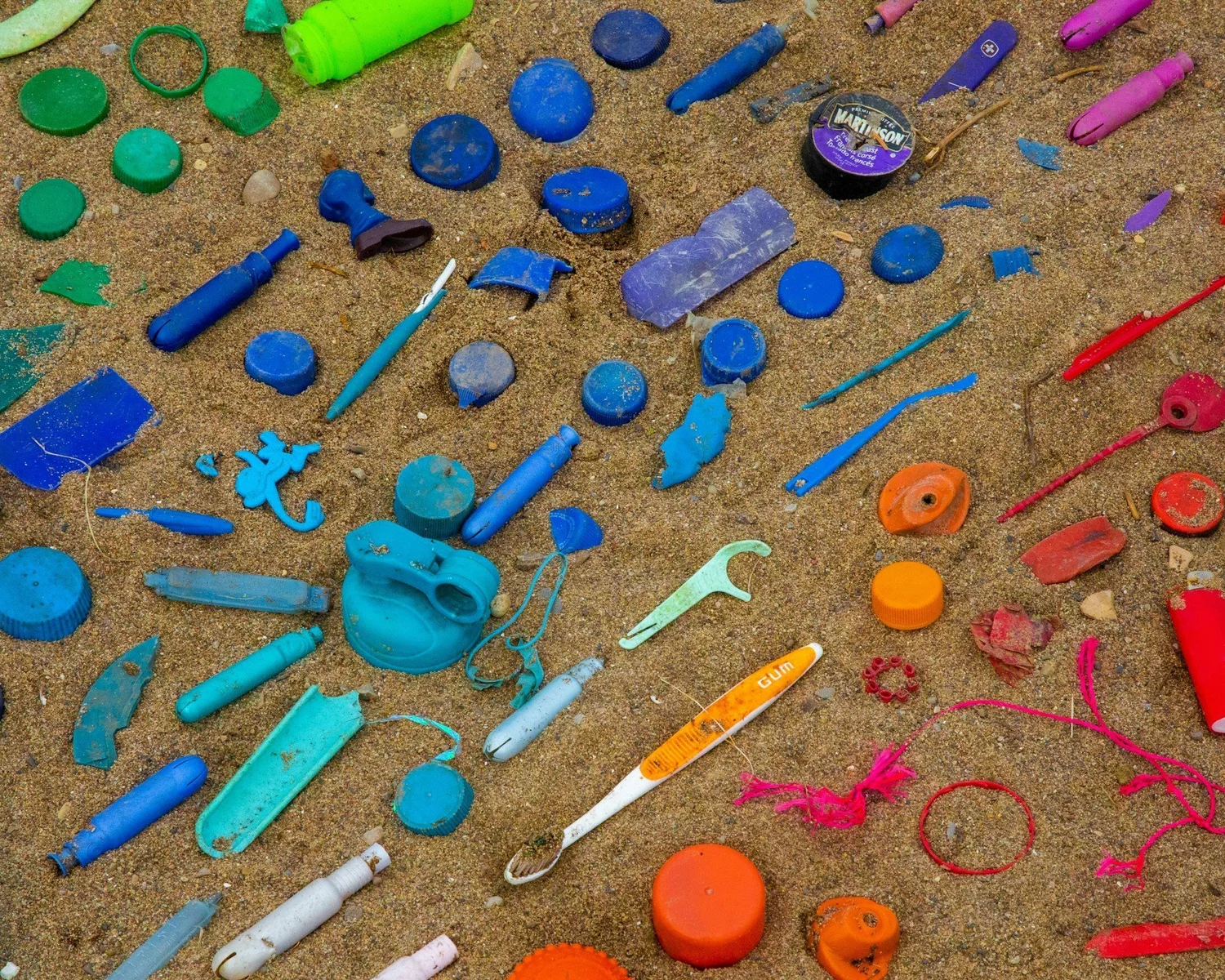
Plastics are synthetic materials made from polymers, long molecular chains built from repeating units called monomers. This structure makes them durable, versatile, and cheap to produce. That combination means plastics end up in almost everything, from food packaging to medical devices to car dashboards.
The problem is that durability works both ways. Plastics can take hundreds of years to break down, and every piece of plastic ever produced still exists in some form today. That is exactly why recycling matters, and why understanding the different types of plastic is the first step toward doing it properly.
Most plastics also contain additives that change how they behave, things like UV stabilisers, colourants, or flame retardants. The type and quantity of additives vary depending on the product. This matters because additives affect how a plastic performs when you shred, melt, or mould it.
Thermoset vs Thermoplastics
Before anything else, every plastic falls into one of two camps. Only one of them can be melted down and used again.
Thermoset
Cannot be remeltedThink of bread. Reheating it does not turn it back into dough, it just burns.
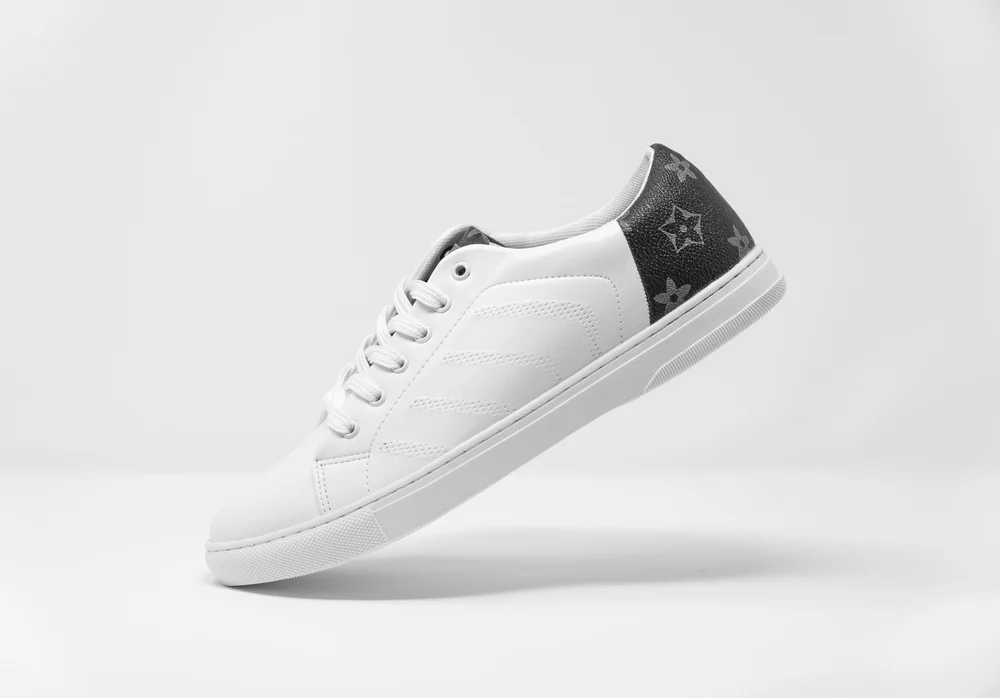
Thermosetting plastics form permanent chemical bonds when they cure. Once shaped, they cannot be remelted, so they cannot be recycled through melting and remoulding. Common products include pan handles, toilet seats, shoe soles, and tyres. If you find these in your waste stream, set them aside. They will not work with any of the Sustainable Design Studio machines.
Thermoplastics
Shred, melt, remouldThink of butter. It melts, solidifies, and melts again without changing what it is.
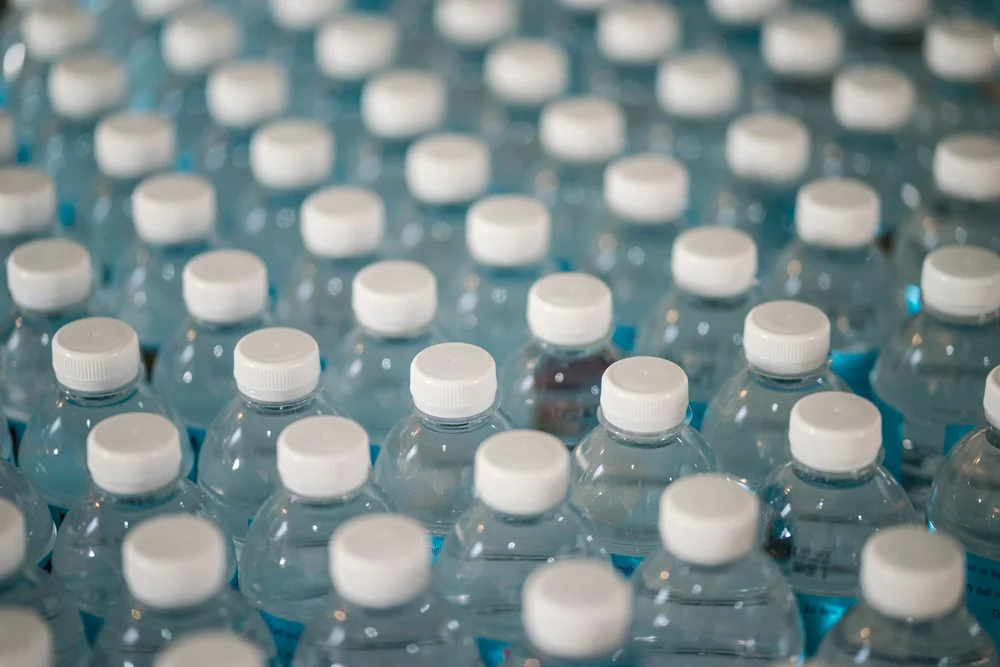
Thermoplastics soften when heated and harden when cooled, and you can repeat the cycle many times. That is what makes them recyclable. You shred, melt, and mold them into new products. The Shredder Mini V2, Desktop Shredder V2, and Injection Mini V2 are built for exactly this. Most plastics you will work with, including PP, HDPE, and PS, are thermoplastics.
Simply put, we can only recycle thermoplastics.
The resin identification code
The resin identification code (RIC) classifies the type of plastic resin used in a product, a number from 1 to 7 inside the recycling symbol's chasing arrows. These codes can be very small, though, and not every plastic carries a number.
Code missing or unreadable? The free Plastic Scanner app identifies the plastic type from a photo on any smartphone.
The six common thermoplastics
These are the plastics you will meet most often. Each card shows where to find it and how it behaves with the Sustainable Design Studio machines.
Type 7, Other
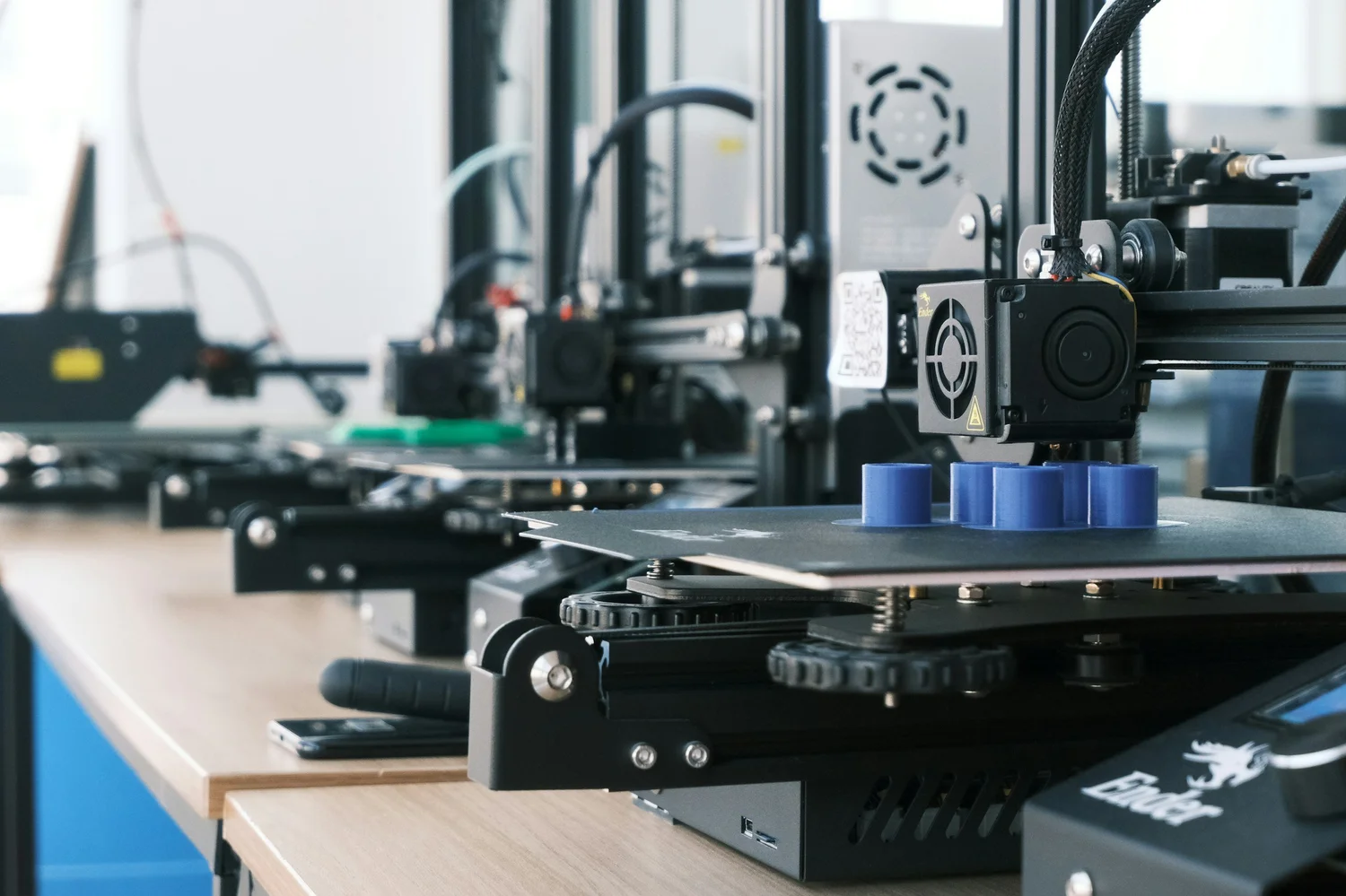
Type 7 is the catch-all category. It covers every plastic not classified under types 1 to 6, and it spans some of the most useful materials for desktop recycling: ABS, PLA, PETG, TPU, TPE, TPR, PBAT, and glass-filled nylon. Most are thermoplastics, which means they can be shredded, melted, and remoulded.
ABS, PLA, and PETG are especially common in 3D printing, and all three work well with the Injection Mini V2, making them a great way to recycle failed prints and support material. Each one is logged in our material database alongside melt temperatures, shrinkage rates, and observation notes from real injection runs.
Material grades
The same plastic type is produced in different grades, tuned for how it will be shaped. Grade affects how easily it flows when melted.
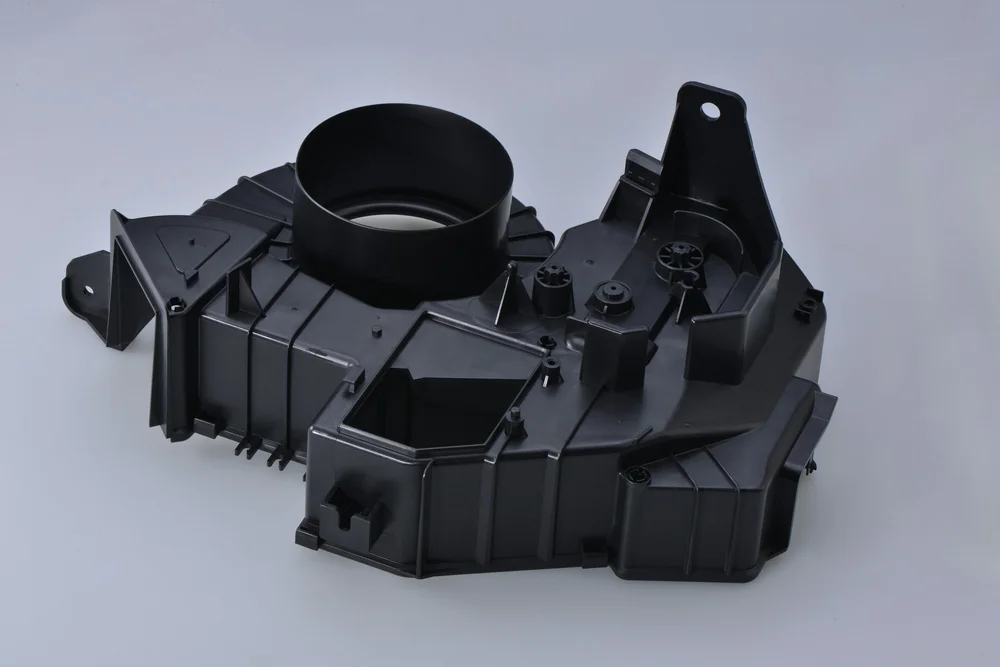
Injection grade
Formulated to flow easily into moulds under pressure, filling every detail of the cavity before cooling into a solid part. A higher melt flow index means it moves more freely when melted. This is the grade you will use most with the Injection Mini V2.
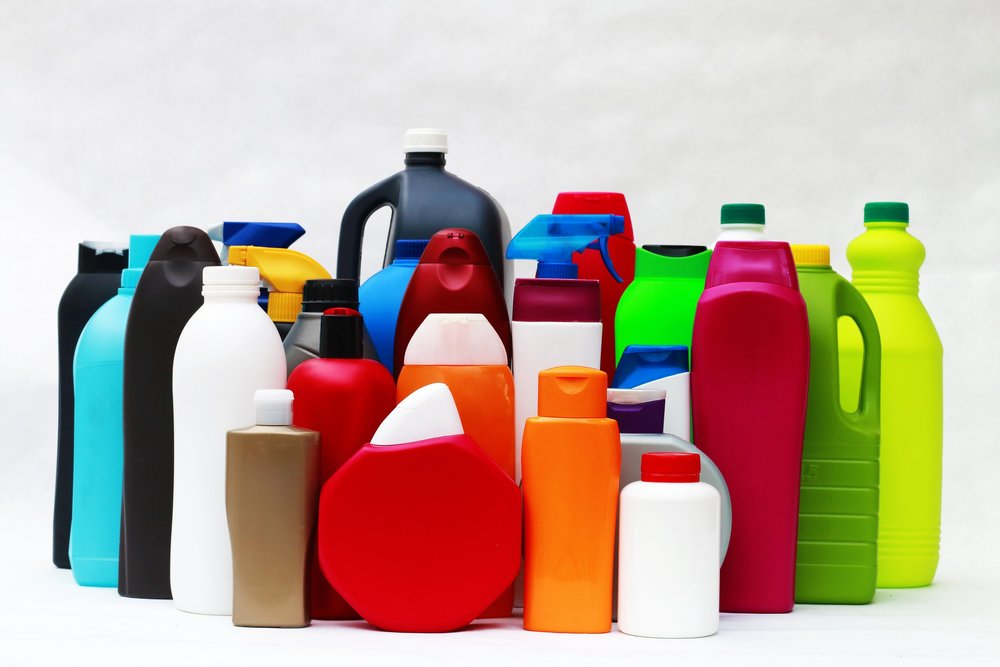
Blow moulding grade
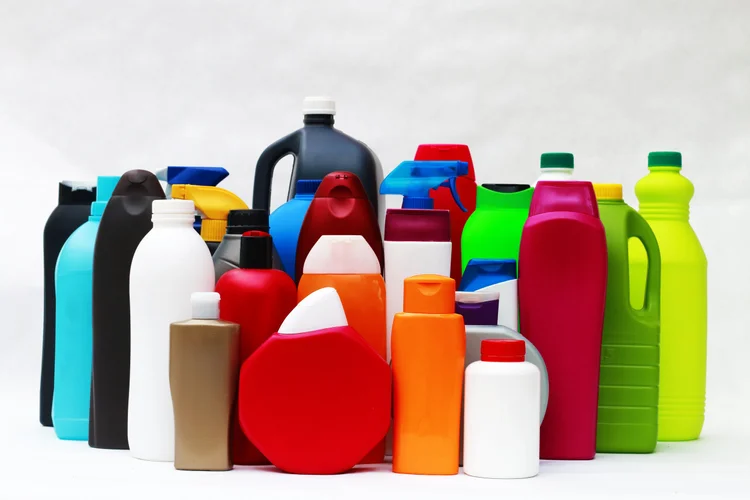
Designed to be inflated into a mould while semi-molten. A lower melt flow index makes it more viscous, helping it hold shape during inflation. Bottles are the most common product. It can sometimes be injection moulded, but may not flow into fine details.
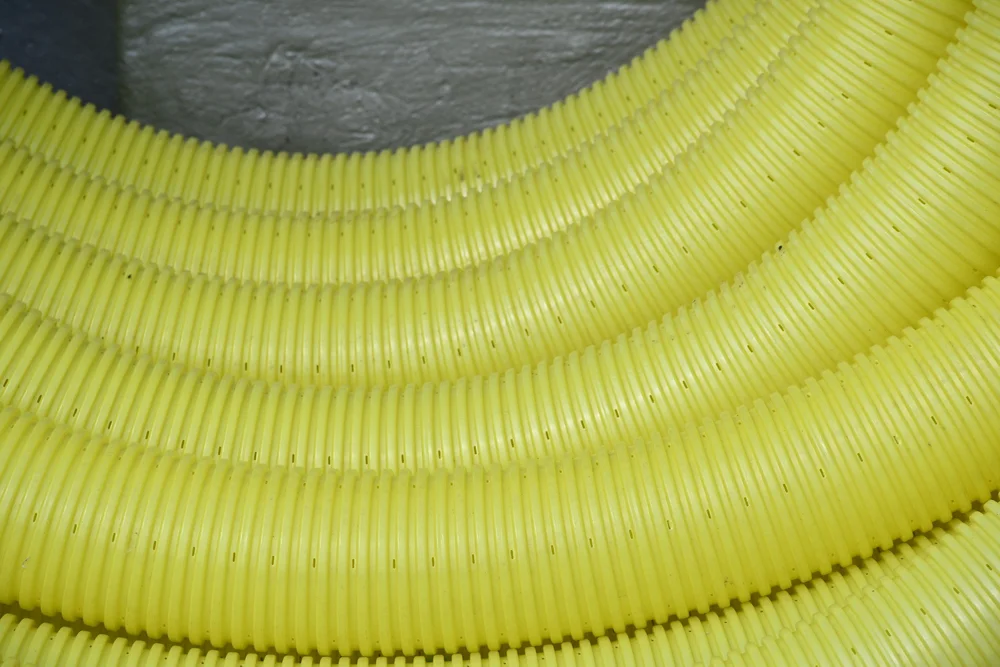
Extrusion grade
Formulated for continuous processes where molten plastic is pushed through a die to form a consistent cross-section, pipes, sheets, or filament. It must hold shape as it cools, without collapsing or stretching. Common materials include HDPE, PVC, and PP.
Resources that pair with this guide
Three picks from the Sustainable Design Studio resources library. Knowing the plastic types is the start, the guides below take you the rest of the way: how to sort and identify what you have, which five plastics we recommend most for desktop recycling, and the hands-on test data behind each one.
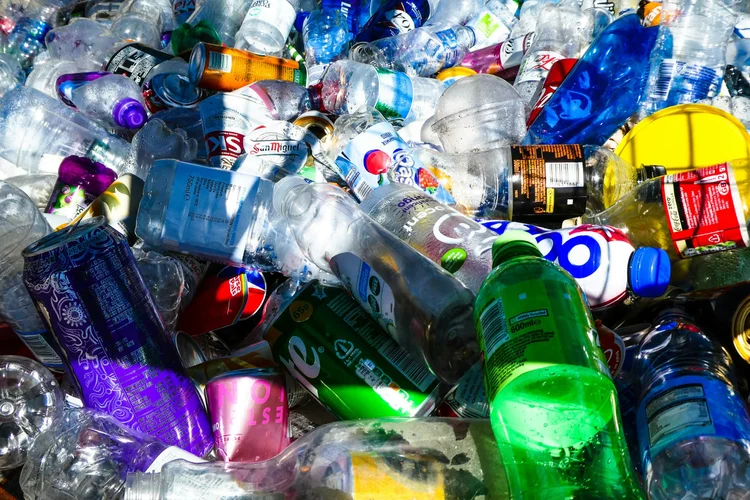 Guide
Guide
Plastic identification
How to sort and identify different types of plastic before you start recycling.
 Guide
Guide
Our top 5 plastic types
The five plastic types we recommend most for recycling projects, and why they stand out.
 Reference
Material database
Hands-on test data for every plastic we have run through the Injection Mini V2: melt temperatures, shrinkage, MFI, observations.
Got a question? Send us a message
Not sure which machine suits the plastics you have? Our team replies within one working day, and we have helped makers in 94 countries get started.