
Plastics: Top 5 Plastic Types
A brief analysis of our top plastic types and why, alongside our preferences for specific use cases and workspaces.

Introduction
Navigating the world of plastics can be a bit overwhelming, especially when trying to make sustainable choices. At Sustainable Design Studio, we're passionate about guiding you through these materials to help you make informed decisions. In this guide we'll be highlighting our top 5 plastic types that are making a significant impact in the design world: PP, HDPE, PLA, LDPE, and PS.
We'll explore the unique properties of each plastic, their advantages, and their most common applications. Whether you're prototyping, manufacturing, or simply curious about sustainable materials, this guide will provide valuable insights to enhance your projects. Here is what makes these five stand out.
These are our top 5 plastics with a focus on injection moulding, however it's important to remember that different plastics are better for different products and applications.
Our top 5 plastics for injection moulding
Each card shows where you will find the plastic and how it behaves on the Sustainable Design Studio machines. Different plastics suit different products, so read the drawbacks as carefully as the strengths.
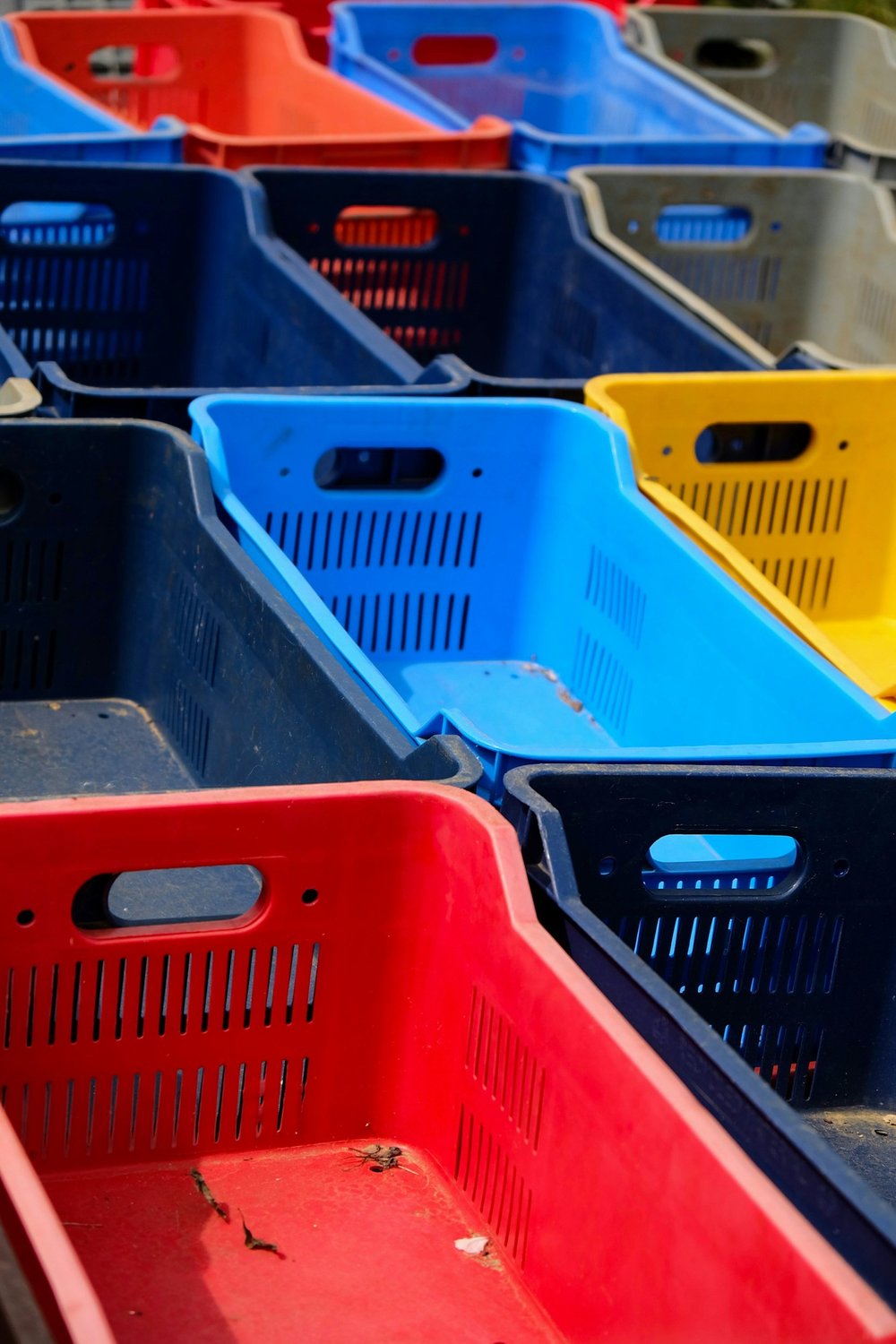
1. Polypropylene (PP)
Commonly found inSupermarket packaging, Garden furniture, Yoghurt pots, Bottle caps
Our absolute favourite, and a versatile powerhouse. A high melt flow index keeps moulding smooth, it barely shrinks as it cools, and the low melting odour makes it pleasant to handle. Durable, chemical resistant and fatigue resistant, so it holds up indoors and out.
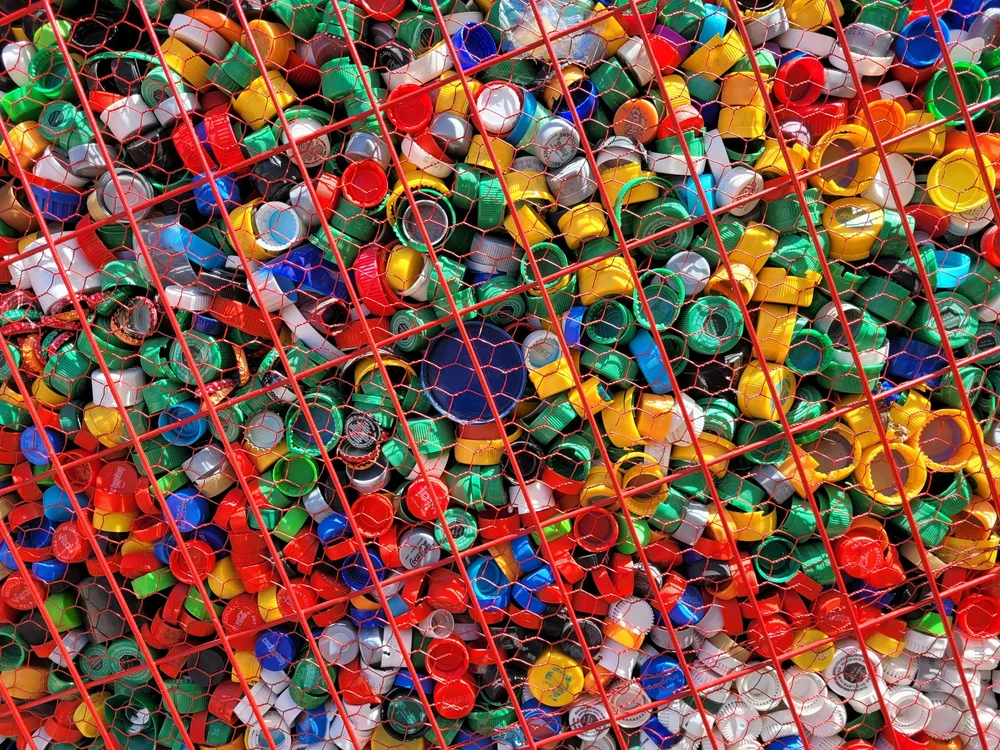
2. High-Density Polyethylene (HDPE)
Commonly found inMilk jugs, Detergent bottles, Bottle caps, Food containers
You can find it almost everywhere in the supermarket. Fairly easy to shred, melts at a relatively low temperature, emits very low fume levels and has an excellent flow rate through the Injection Mini V2.
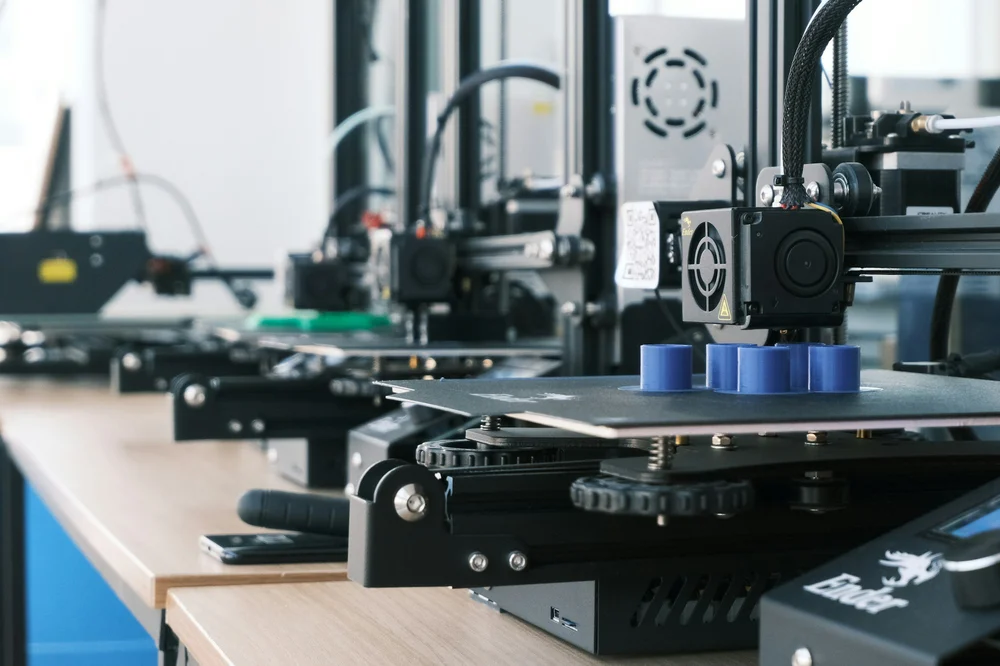
3. Polylactic Acid (PLA)
Commonly found in3D printer filament, Biodegradable cutlery, Single-use cups
The beloved material of the 3D printing community, made from renewable sources like corn starch rather than oil. A low melting temperature makes it easy to work with, and the fumes are low and smell like burning sugar.
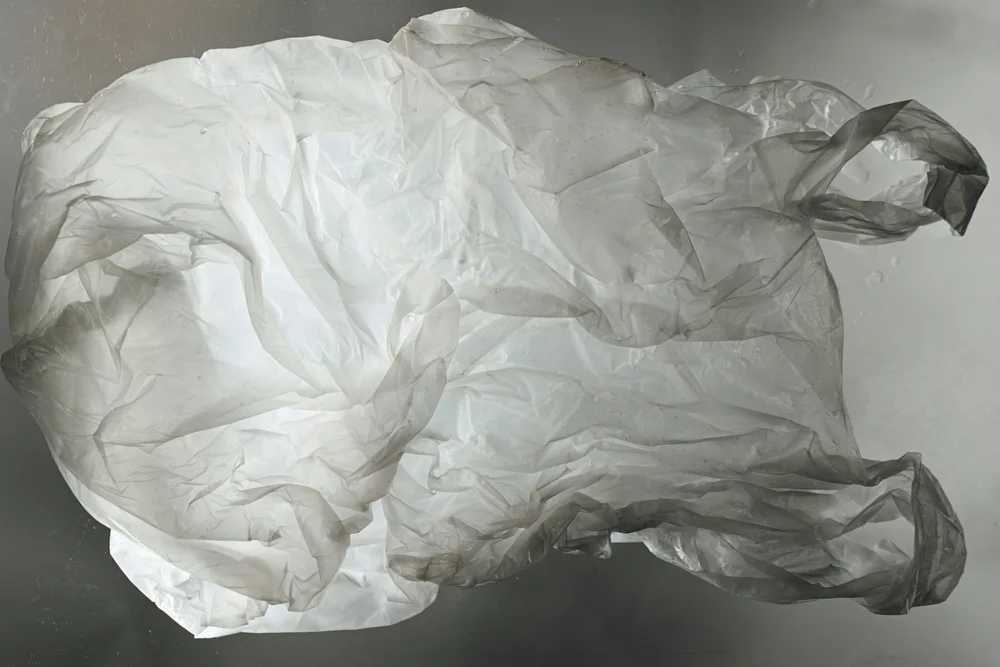
4. Low-Density Polyethylene (LDPE)
Commonly found inPlastic bags, Cling wrap, Squeeze bottles
The softest plastic in our injection lineup. A low melting temperature and a genuinely smooth finish, with extremely low odour and fume emissions, which matters in a workshop where ventilation is limited.

5. Polystyrene (PS)
Commonly found inCD cases, Party cups, Food containers, Packing foam
The one we love for its ability to be polished, which makes jewellery that reads like marble or gemstone. Strong and hard, and it shrinks very little during molding, so dimensional accuracy stays high on detailed parts.
The top 5 plastic types in detail
1. Polypropylene (PP)
At the very top of our list is Polypropylene (PP), our absolute favourite for so many reasons. PP is a versatile powerhouse, found everywhere from supermarket packaging to garden furniture, making it an incredibly practical choice for a variety of applications.
One of the standout features of PP is its exceptional workability. This plastic boasts a high melt flow index, ensuring smooth and efficient moulding processes. Unlike many other plastics, PP barely shrinks as it cools, maintaining the integrity of your designs. Its low melting odour adds to the ease of handling, creating a more pleasant working environment.
Polypropylene is also renowned for its durability and resistance to various chemicals, making it ideal for both indoor and outdoor applications. It's highly resistant to fatigue, which means products made from PP can withstand repeated use without cracking or breaking. Additionally, PP is lightweight yet strong, further enhancing its suitability for a wide range of products.
From a sustainability perspective, PP is one of the better plastics to keep in circulation. It's fully recyclable and often used in products that are designed to be recycled, contributing to a circular economy.
These qualities make Polypropylene a top choice for anyone in the field of sustainable design. Its combination of excellent flow rate, minimal shrinkage, low odour, durability, and recyclability ensures that PP remains at the forefront of innovative and eco-conscious product development.
2. High-Density Polyethylene (HDPE)
Coming in at number two is High-Density Polyethylene (HDPE), a ubiquitous material that you can find almost everywhere in the supermarket. From milk jugs to detergent bottles, HDPE's versatility and ease of use make it a popular choice for a wide range of applications. It's fairly easy to shred, melts at relatively low temperatures, and emits super low fume levels, which makes it a favourite among many for recycling and remoulding projects. Additionally, HDPE boasts an excellent flow rate, ensuring smooth and efficient moulding processes.
However, HDPE isn't without its quirks. One of the main drawbacks is its tendency to shrink as it cools. While this isn't a significant issue for small or thin parts, it can become problematic for larger or more complex items. The shrinkage, which can be up to 5%, may make it difficult to remove the product from the mold, sometimes ruining the piece entirely.
Despite this, HDPE remains a valuable material in sustainable design. Its low cost, wide availability, good flow rate, and overall ease of processing make it an excellent choice for many projects. When you account for its shrinkage during the design phase, HDPE can produce high-quality, durable products that meet a variety of needs.
3. Polylactic Acid (PLA)
Taking the third spot is Polylactic Acid (PLA), the beloved material of the 3D printing community. With the increasing trend towards biodegradable cutlery and plastic cups, PLA is becoming more prevalent than ever. Known for being biodegradable (eventually!), this plastic is not only great for single-use items but also shines in the realm of recycling. Made from renewable resources like corn starch, PLA stands out as one of the few plastics on this list not derived directly from oil.
One of PLA's key advantages is its low melting temperature, which makes it easy to work with and ensures smooth flow during molding. Additionally, it emits low levels of fumes, which are generally harmless and smell like burning sugar, making it more pleasant to work with compared to other plastics.
However, PLA has its downsides. Its low melting point, while convenient for processing, means it can warp in warmer climates, limiting its use in high-temperature environments. Furthermore, PLA is quite brittle and lacks flexibility, especially in thinner objects, which can lead to breakage under stress.
Despite these challenges, PLA remains a favourite for many due to its sustainability credentials and ease of use. Its biodegradability and origin from renewable resources make it an excellent choice for those looking to minimise environmental impact while creating innovative and functional products.
4. Low-Density Polyethylene (LDPE)
Next on our list is Low-Density Polyethylene (LDPE), the softest plastic in our injection lineup. Known for its low melting temperature, LDPE is capable of producing some truly impressive objects with a smooth finish. This material is widely recognised for its flexibility and durability, making it a popular choice for various applications.
One of the standout benefits of LDPE is its extremely low odour and fume emissions during processing, making it a more pleasant and safer material to work with compared to other plastics. This characteristic is particularly advantageous in workshops and production environments where ventilation might be a concern.
However, LDPE shares several challenges with its high-density counterpart, HDPE. One of the most significant issues is the prevalence in plastic bags, which contribute to environmental pollution by taking up vast amounts of space and covering landscapes. These bags are not particularly dense, meaning you could spend hours cleaning up and still only collect a small amount of plastic by weight. Additionally, the process of shredding and preparing LDPE for injection molding can be quite challenging due to its inherent properties.
Despite these obstacles, there are still viable sources of LDPE that can be used effectively. When sourced and processed correctly, LDPE can be transformed into useful and aesthetically pleasing products, making it a valuable material in sustainable design. Its low melting point, flexibility, and low odour provide unique opportunities for creating innovative and practical items.
5. Polystyrene (PS)
Rounding out our list is Polystyrene (PS), a material that stands out for one particular reason we love: its remarkable ability to be polished. This unique feature allows for the creation of stunning items of jewellery that mimic the appearance of marble or gemstones. PS is also known for its exceptional strength and hardness, making it ideal for producing durable products that retain their shine over time.
One of the standout benefits of PS is its very small shrinkage during the moulding process, which ensures high dimensional accuracy and consistency in the final product. This makes it an excellent choice for detailed and precise applications.
However, PS isn't without its flaws. One of the main drawbacks is the strong odour it emits when melting, which necessitates working in a well-ventilated space and using appropriate Personal Protective Equipment (PPE). Additionally, PS has a higher viscosity compared to other plastics on this list, making it more challenging to inject into large moulds with thin walls.
Despite these challenges, PS remains a valuable material in sustainable design due to its aesthetic versatility, durability, and precision. When used thoughtfully, it can contribute to creating long-lasting and visually appealing products, making it a noteworthy addition to our top 5 plastic types.
What about the other plastics?
Good question. While our top 5 plastics are fantastic for various applications, there are a couple of common plastics that we didn't include, and for good reasons.
PET (Polyethylene Terephthalate)
PET is probably the most abundant plastic out there, commonly used in water bottles and food containers. However, PET is a poor fit for injection moulding on a small scale. It has a very narrow melting temperature range, making it difficult to get it fluid enough to fill a mould.
That does not make it waste. PET bottles make good 3D printer filament, and the Filament Maker V2 takes a whole bottle, cuts it into a strip and turns that strip straight into filament, with no shredding. So PET stays off our injection moulding list and goes on the filament one.
PVC (Polyvinyl Chloride)
Another prevalent plastic is PVC, found in electronic cables, pipes, and building materials. PVC is notoriously toxic and should be avoided in DIY recycling projects. The C in PVC stands for chloride, and heating it releases hydrogen chloride gas. Inhaling this gas can cause serious health issues. Given its hazardous nature, PVC recycling should be left to professionals equipped with the right tools and safety measures to handle it properly. If you come across PVC, it's crucial to dispose of it through appropriate channels to ensure it doesn't harm you or the environment.
By understanding where PET fits and why PVC is dangerous, we can make more informed decisions about the materials we use and how we recycle them. PVC has its place in the global recycling ecosystem, and it highlights the importance of choosing safer, more manageable materials for personal and small-scale projects.
PVC is the one plastic on this page to avoid entirely
Do not shred it, melt it, or mould it. Leave PVC to professional recyclers with the right extraction and safety equipment.
Resources that pair with this guide
Three picks from the Sustainable Design Studio resources library. This guide ranks our five favourites for injection moulding. The guides below cover how to tell the types apart in the first place, and the test data sitting behind each one.
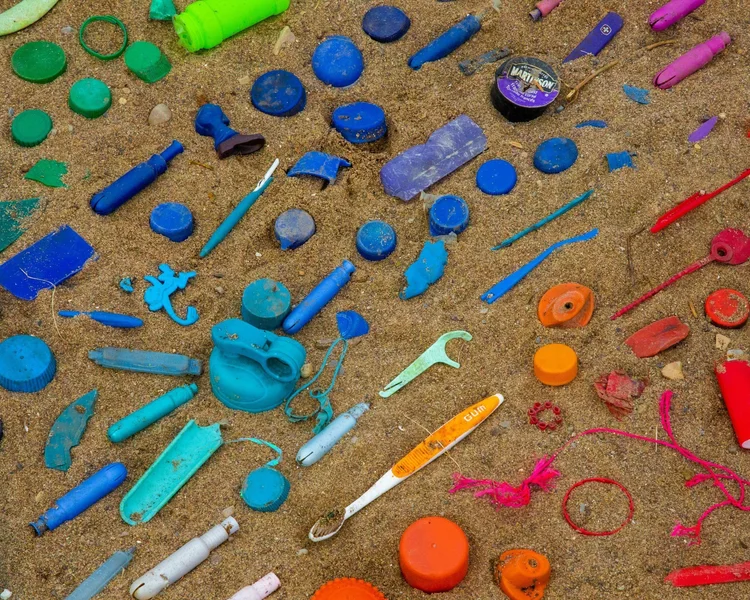 Guide
Plastic types
Everything you need to know about the different types of plastics.
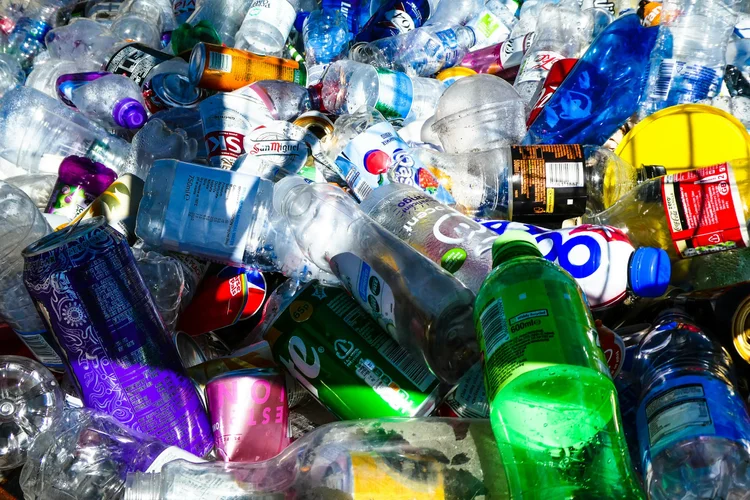 Guide
Plastic identification
How to sort and identify different types of plastic before you start recycling.
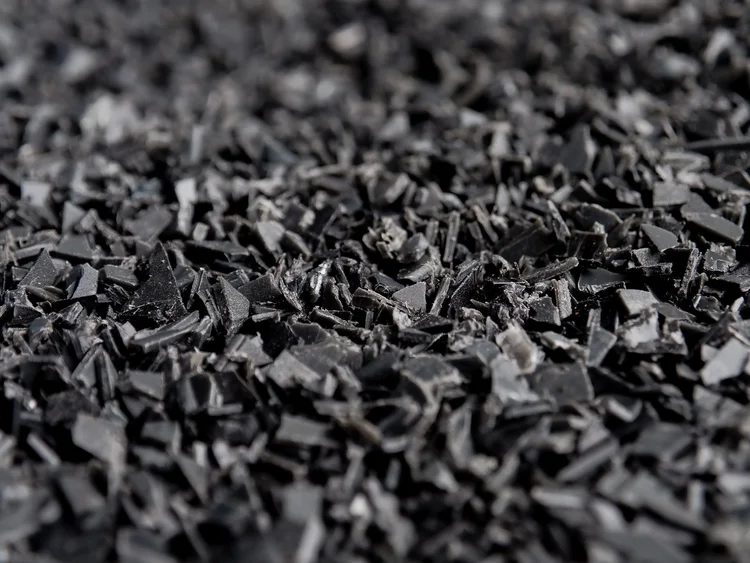 Reference
Material database
We test every plastic we come across and log the results. A living database, always growing.
Got a question? Send us a message
Not sure which of these plastics suits the machine you have? Our team replies within one working day, and we have helped makers worldwide get started.