
What are nurdles?
The lentil-sized plastic pellets found on beaches worldwide, where they come from, and the honest answer on whether they can be recycled.
The raw material of everything plastic
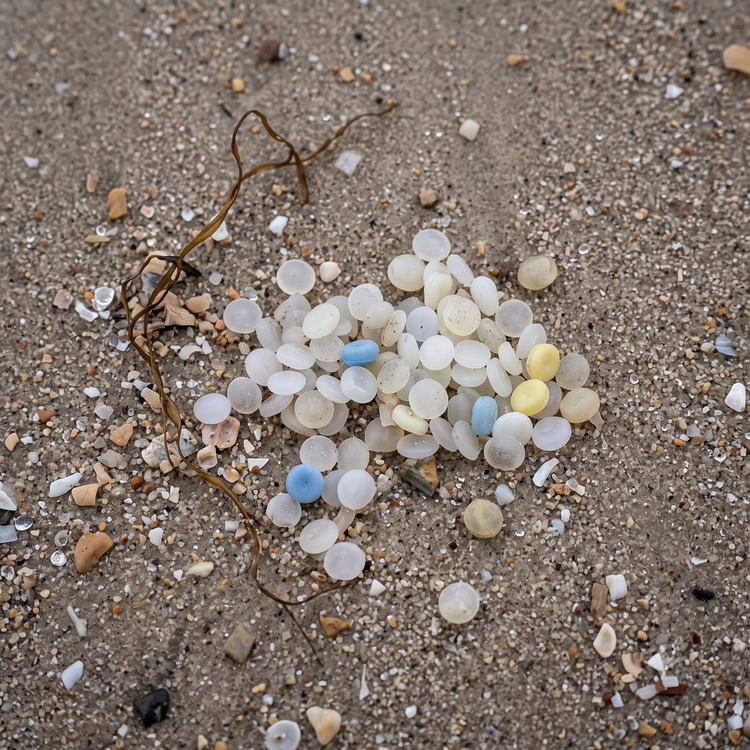
If you are wondering what nurdles are, the short answer is small plastic pellets, usually 2-5mm across, that the plastics industry uses to ship raw material around the world. Almost every plastic product you own started life as a pile of nurdles. They melt down predictably, which makes them the standard feedstock for injection moulding and extrusion at every scale, from factories to desktop machines like ours.
They are also one of the most common forms of plastic pollution on Earth. Billions escape the supply chain every year, and because most of them float, they turn up on coastlines from Scotland to Sri Lanka. This guide covers what nurdles are, how they end up on beaches, what to do if you find them, and the question we are best placed to answer: whether a spilled nurdle can be recycled.
Quick answers
The short version
Four questions people ask before they read anything else. The detail follows below. Skip to the recycling answer
How nurdles end up on beaches
Nurdles leak from every stage of the plastics supply chain. Pellets are spilled during production, blown off during loading and unloading, lost from road and rail tankers, and washed into storm drains from factory yards, and a storm drain is a direct route to the sea. Each individual loss is small. Multiplied across a global industry moving hundreds of millions of tonnes of plastic a year, the losses add up to billions of pellets annually. The environmental consultancy Eunomia has put the amount entering the ocean at around 230,000 tonnes a year.
Then there are the catastrophic losses: shipping incidents that put whole containers of pellets into the water at once. The largest recorded was the X-Press Pearl, which burned and sank off Sri Lanka in 2021 with around 1,680 tonnes of nurdles on board, and contaminated hundreds of kilometres of coastline. Durban harbour lost around 49 tonnes in a 2017 storm, and a July 2026 collision at the Port of Tyne put around 25 tonnes, an estimated billion pellets, onto beaches in the north east of England. Incidents like these happen somewhere in the world every few years, and each one plays out the same way: pellets ride the currents for weeks, and beaches are speckled with them for years.
Beachcombers have been finding them long enough that they have a nickname: mermaid's tears. Fidra, the charity behind the Great Nurdle Hunt, ranks pellets as the second largest direct source of microplastic pollution in the ocean, behind only tyre dust. All of it comes from material that was never even used.
A nurdle on a beach is plastic pollution that happened before the product existed.
Why a nurdle spill is so hard to clean up
Three properties make nurdles an especially awkward pollutant.
They are small enough to hide
A 5mm pellet works its way into sand, shingle, and strandline debris, and foot traffic pushes it deeper, which is why cleanup teams ask visitors not to walk through contaminated patches.
They float and keep moving
Polyethylene and polypropylene are lighter than seawater, so pellets stay mobile for weeks, recontaminating beaches that were cleaned the day before. A beach can look clear at low tide and be speckled again by morning. The same float-or-sink behaviour doubles as the recycler's first sorting tool, the float test we cover in our plastic identification guide.
They look like food
To a seabird or a fish, a pale floating pellet reads as a fish egg. Ingested pellets take up gut space, and pellets that have spent time in the sea adsorb persistent pollutants onto their surface, concentrating them far above the levels in the surrounding water. That combination is where a nurdle spill does its real damage.
Can nurdles be recycled? The honest answer
Most coverage stops at the wildlife harm. This part we know from the workshop.
A nurdle is not waste plastic. It is the rawest form of plastic there is, the exact format injection moulding machines are designed to eat. A freshly spilled, uncontaminated pellet is virgin material with nothing wrong with it. If pellets from a split container could be recovered clean and dry, they could go straight into a machine hopper exactly as they are, without even a shredding pass. In that narrow sense, nurdles are the most recyclable plastic that ever lands on a beach.
The practical picture is harder, and it depends on two things: how long the pellets have been in the environment, and whether they are mixed.
Fresh spill pellets
Hopper-readyRecovered in days, they are mixed with sand, salt, shell fragments, and seaweed. That is a washing and drying problem, not a polymer problem. The material underneath is still good. The reason recovered spill pellets usually end up treated as waste comes down to logistics and liability. Nobody certifies a beach-swept batch back into food-grade or medical supply chains, so the material gets downgraded whatever its condition.
Weathered pellets
Degraded feedstockMonths or years of UV exposure and oxidation break polymer chains, the same degradation that ruins any plastic left outside, and the pellets become brittle and discoloured. They have also had time to adsorb pollutants. Weathered nurdles can still be melted into thick-walled, non-critical products, but they are a degraded feedstock at that point, closer to the hardest end of recycling than the easiest.
Which plastics actually reach a beach is the next question, and the sea has already answered most of it. Only the floaters travel far, so unless the pellets trace back to one specific incident, the nurdles on any given beach are an accumulation from many sources over many years, almost always a combination of HDPE and polypropylene. A single spilled container is the exception: it usually holds one polymer grade from one producer, which is what makes a container spill like the July 2026 Port of Tyne incident unusually tidy in recycling terms.
That HDPE and PP combination is a strange kind of good news. They are two of our favourite plastics to work with, and they hold the top two places in our top 5 plastic types, both forgiving to process, and both fully characterised in our material database. Most of the plastic washing up on the world's beaches is, by type, some of the best plastic there is to recycle.
The catch is the mixing. A single-polymer batch of pellets is about the easiest recycling job there is: clean it, dry it, and it is hopper-ready. A mixed HDPE and PP batch is much harder to recycle well, because the two polymers melt differently and do not bond into a uniform material. They are also awkward to separate: both float in fresh water, so the float test that splits them from PET and polystyrene cannot tell them apart from each other. The density and burn tests in our plastic identification guide can, pellet by pellet, but sorting beach pellets by hand is slow work.
Even an unsorted HDPE and PP blend is not worthless, though. Melted together they produce a weaker, less predictable material, but for thick-walled, low-stress products, coasters, tiles, sheet stock, the blend is perfectly usable. Lower quality, not landfill.
So where does that leave us? Nurdles can be recycled, and clean spill pellets are the easiest feedstock a desktop machine will ever see. But nobody should mistake beachcombing for a recycling strategy. It is cleanup that happens to produce some usable material. The kilograms recovered by hand are a rounding error against the tonnes spilled, which is why the pressure belongs on prevention: better pellet handling standards across the supply chain, and packaging that survives a knock in port.
What to do if you find nurdles on a beach
Report them, and if the area has an organised cleanup, join that rather than working alone.
The Great Nurdle Hunt, run by the environmental charity Fidra, collects nurdle sightings from beaches worldwide and uses the data to push for tighter pellet-handling standards across the industry. Logging a find takes a few minutes.
A large, fresh accumulation is a pollution incident with a responsible party, so report it to your local environmental authority or council as well. Cleanup costs after major spills are typically recovered from the polluter.
Walking through contaminated sand drives pellets deeper and puts them out of reach of any cleanup. Keep dogs away from visible accumulations.
If an organised cleanup exists, hand collected pellets to it. Recovered pellets from a live spill form part of the incident record.
The bigger picture
Nurdle spills are what plastic pollution looks like before a product ever gets made. Most of the leakage happens in the supply chain, long before anything reaches a litter bin. Our whole approach is to shrink that chain: recycle the plastic you already have, where you are, into products you will actually use. If a beach full of pellets made you want to do something practical about plastic waste, we recommend plastic types and how to identify plastic as the two best places to start.
Related resources
Nurdles are HDPE and polypropylene, the two plastics we recommend most. If the pellets got you interested in the material rather than the pollution, these are the guides that take it further.
 Guide
Guide
Plastic types
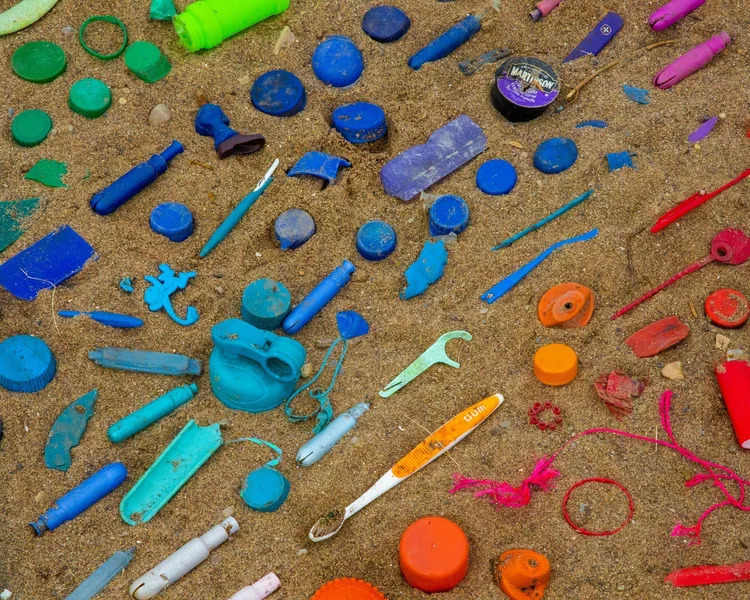
The materials primer covering the polymers nurdles are made of.
 Guide
Guide
Our top 5 plastic types
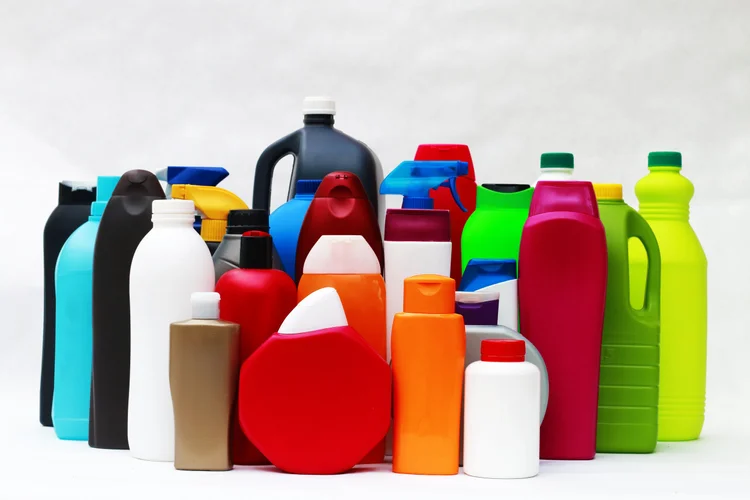
Why HDPE and polypropylene top our list, the same two plastics most beach nurdles are made of.
 Guide
Guide
Plastic identification
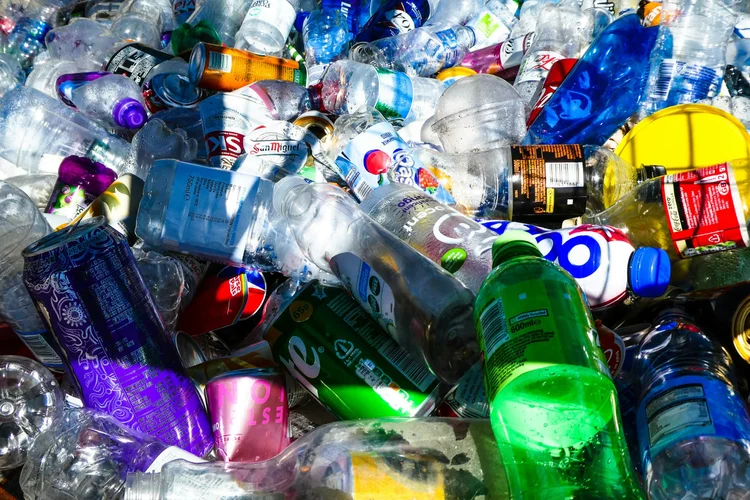
Float, density, and burn tests for sorting unknown plastic.
 Tool
Tool
Plastic identification tool
Answer a few questions and narrow down a mystery plastic in seconds.
 Reference
Material database
Real test data for HDPE, PP, PET, and 10 other recycled plastics.
 Guide
Guide
How to reuse 3D printer waste
The practical starting point for recycling plastic at home.
Got a question about recycling plastic?
Talk to us. We build desktop plastic recycling machines in the UK and ship them worldwide, to 94 countries so far, and we are happy to give a straight answer on what is and is not worth recycling.