
How to recycle your own plastic
What to collect, how to sort it, how to shred it, and what to make with it. The whole desktop process, for one person, at home.
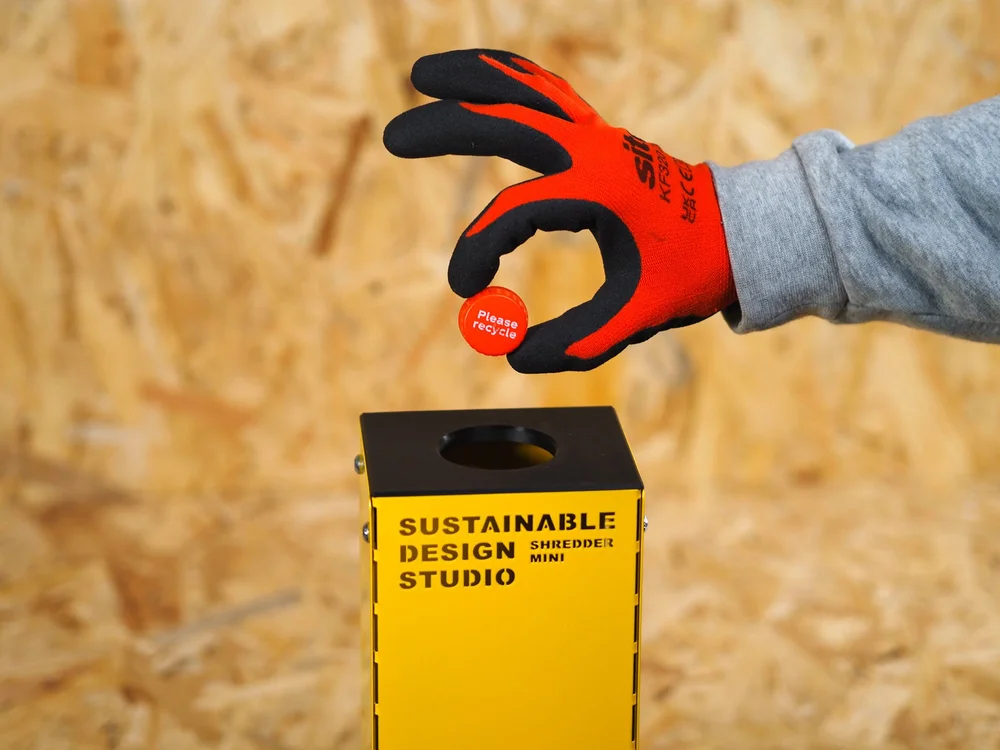
Yes, you can actually do this
If you want to recycle your own plastic, the process has five stages: collect the right plastic, sort it properly, clean and dry it, shred it into flake, and melt that flake into something new. None of the stages is complicated. The reason most people never try is that the five stages have always been explained separately, usually for industrial equipment, and the home-scale version gets lost.
The DIY plastic recycling movement, led by communities like Precious Plastic, proved years ago that small-scale recycling works. This guide is the desktop version of that idea: the same principles, run on purpose-built machines, in a spare corner of a garage or workshop. Every step below links to a deeper guide in our library, so treat this page as the map and dip into the detail where you need it.
The five steps, start to finish
Work through these in order. Each one links to a deeper guide if you want the detail.
-
Decide which plastic to collect
Do not collect everything. Home plastic recycling works when you pick one or two plastics and get good at them.
The two best starting materials are HDPE (high-density polyethylene) and PP (polypropylene). Milk bottles, detergent bottles, bottle caps, tubs, and plant pots are made of them, they melt at friendly temperatures, and they produce strong parts. They top our top 5 plastic types for a reason. If you run a 3D printer, PLA waste is another straightforward source, covered separately in how to reuse 3D printer waste. PET drink bottles are a special case: awkward to injection mold, excellent for making 3D printer filament, more on that in step 5.
Refuse PVC outrightHeated PVC releases toxic chlorine-based gases, and no home setup should ever melt it. Plastic types covers the full list of what is and is not worth your time.
-
Identify and sort it
Never mix plasticsDifferent plastics melt at different temperatures and do not bond into a uniform material, so a mixed melt gives you a weak, unpredictable part at best. It also takes that plastic out of the loop for good: once polymers are blended into one part, they cannot be separated and recycled again.
Most packaging carries a resin identification code, the number in the chasing-arrows triangle, which does the sorting for you. When the code is missing, a few kitchen tests identify the material: the float test, the flexibility check, and for the confident, a burn test. Plastic identification explains the methods, and the plastic identification tool turns them into a two-minute quiz that narrows down a mystery plastic for you. And if you would rather skip the kitchen tests altogether, the Plastic Scanner app identifies plastics for you.
-
Clean, dry, and store
Melted-in label glue, food residue, and moisture are the three things that ruin otherwise good flake. Soak labels off in warm soapy water, rinse, and let everything dry fully before it goes anywhere near a shredder. Moisture is the sneaky one: damp flake turns to steam in the melt and leaves bubbles and surface defects in the part.
Then store by type. A labelled box or bag per polymer is enough. A month of ordinary household waste builds a surprisingly useful stock of HDPE and PP without any effort beyond not throwing it away.
-
Shred it
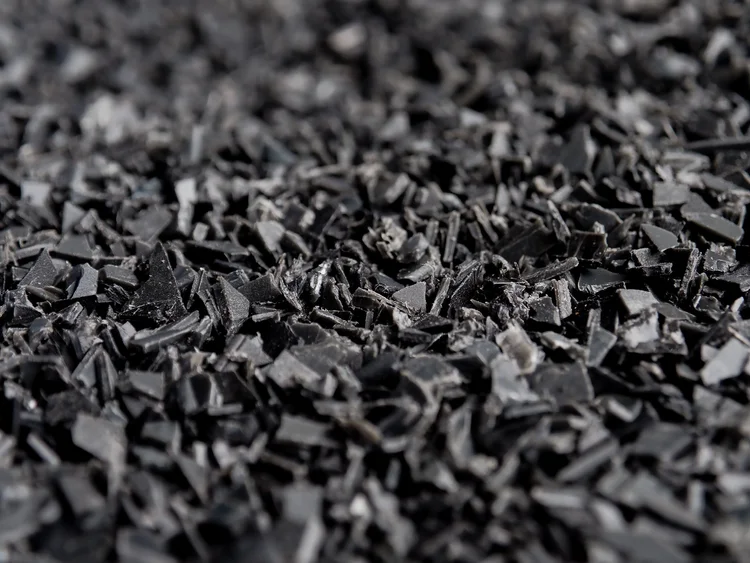
Machines cannot eat a milk bottle whole. Shredding turns your sorted, clean plastic into flake of roughly 5mm, which melts evenly and feeds reliably.
At household volumes, the Shredder Mini V2 is the tool we designed for exactly this job: hand-cranked, no mains power, around 5kg of flake an hour, and small enough to live on a shelf. If you are processing serious volume, a school's worth or a workshop's worth, the Desktop Shredder V2 does 20kg an hour with a motor. Either way, the flake that comes out is ready to use directly. You do not need to turn it into pellets first.
On a tight budget, you can even skip the shredder to begin with. For small parts, hand-cut clean waste into pieces with snips and feed them straight into the Injection Mini V2's large 30mm opening. It is slower than working from flake, but it gets you making parts before you have spent anything on a shredder.
-
Melt it into something new
There are two home routes from flake to finished object, and they suit different people.
Injection moulding
Faster, more forgivingA machine like the Injection Mini V2 heats your flake and pushes it into a mould, and a small part comes out minutes later. It handles HDPE, PP, PLA, and many more, and mould use covers the craft of getting clean parts. The Extruder Mini V2 is the same idea in a different body: an injection machine driven by a hand-cranked screw. You will find the ideal melt temperature for every common plastic, from real bench testing, in our material database.
Making filament
Skips the shredderSuits 3D printer owners, and it skips the shredder entirely. The Filament Maker takes a PET drink bottle and turns it straight into printable filament at around 92g/hr, no flake required. Making filament asks for more patience than molding, tolerances matter, and how to reuse 3D printer waste is honest about the caveats. If you are torn between the two routes, 3D printing vs injection molding compares them on cost, speed, and part quality.
What can you actually make?
More than most beginners expect. Coasters, combs, carabiners, plant pots, rulers, wall hooks, game pieces, and jewellery are all standard first projects, and our step-by-step guides show complete builds: recycled plastic sunglasses, a recycled plastic watch, and a wireless charger.
Within the limits below, a single mould and a box of shredded milk bottles will keep producing identical parts for years.
Recycled parts are not food-safe. Load-bearing and high-heat applications need the right polymer choice rather than whatever is in the bin.
What a home setup costs
A complete starter setup, shredder plus small injection machine plus a first mould, lands in the hundreds of pounds rather than the thousands, and it fits on a desk. Example workspace setups and budgets walks through five real configurations from starter to small business, and the product cost calculator models what each part you make will cost to produce.
When a hobby starts looking like a business
Plenty of people search for Precious Plastic business plans after their first few months of DIY plastic recycling, because the same setup that makes coasters for your kitchen can make products people pay for. That question deserves its own page, and it has one: how to make money recycling plastic covers the three stages from selling parts to selling a product line, with real margins. This page stays out of the economics on purpose. Get the process working first.
Safety basics
Desktop recycling is safe when you respect three rules.
Ventilate
An open window at minimum. An extractor like the Fume Extractor V2 if you are melting regularly.
Know what you are melting
Never melt a plastic you have not identified, and never melt PVC. If you are unsure what something is, go back to step 2.
Respect the hot end
Treat it as you would an oven. Gloves and eye protection when injecting, covered in basic PPE.
Start with one bottle
The best first step is unglamorous: wash one milk bottle, check the resin code on the base, and put it in a box labelled HDPE. Everything else in this guide builds from that habit.
At Sustainable Design Studio, we help people connect the dots between waste and product. We do it all over the world, and we have worked with everyone from individuals at a kitchen table to giant companies. The task can seem daunting, but the key is to start at the very beginning and develop over time. Grow your tools, grow your workspace, grow the products you create. That is why we are here. When you want a hand choosing a setup, talk to us.
Related resources
This page is the map. These are the guides behind each step, plus the economics for when you are ready.
 Guide
Guide
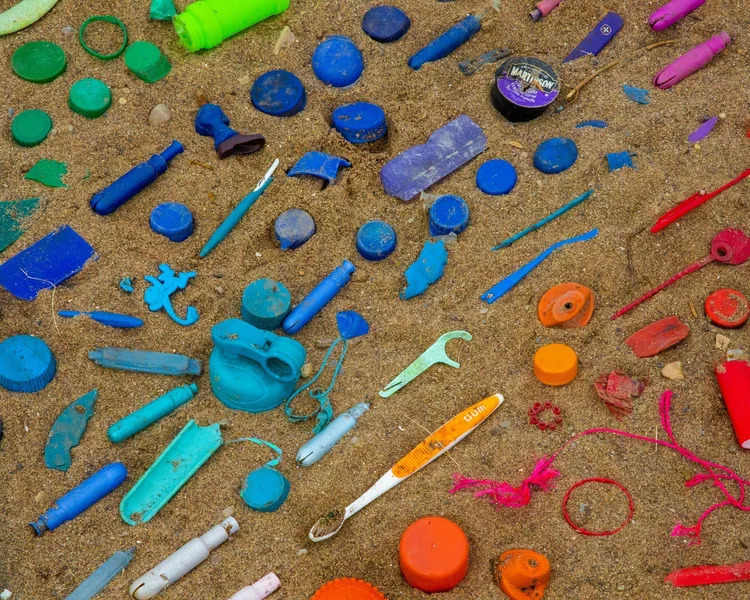
Plastic types
Which plastics can be recycled at home and which to avoid.
 Guide
Guide
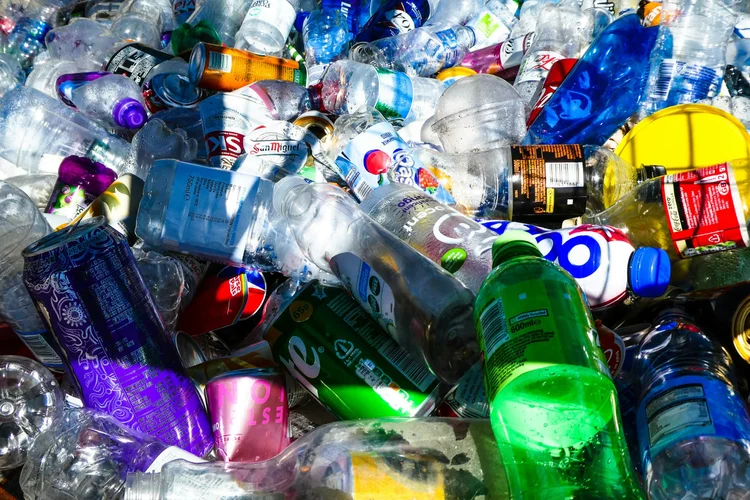
Plastic identification
Float, flex, and burn tests for unlabelled plastic.
 Guide
Guide
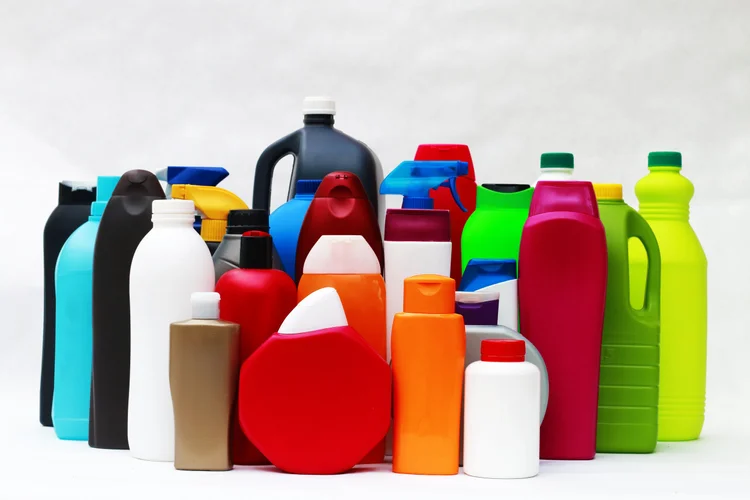
Our top 5 plastic types
Why HDPE and polypropylene are the best starting materials.
 Guide
Guide
Example workspace setups and budgets
Five real home and workshop configurations, starter to small business.
 Guide
Guide
How to make money recycling plastic
The economics, once the process is working.
Reference
Material database
Bench-tested melt temperatures for 13 recycled plastics.
Not sure where to start?
Tell us what waste you have and what you want to make, and we will tell you honestly which setup fits. We build desktop recycling machines in the UK and ship them worldwide, to 94 countries so far.